

As markets evolve and customer expectations continue to change, businesses are focusing more on rebranding, customer experience improvements, digital innovation, and market repositioning to remain competitive. But a key challenge many companies face is understanding whether these transformation efforts are truly delivering results. This is where understanding brand transformation ROI becomes essential. Measuring the return on investment helps businesses evaluate the real impact of their transformation strategies and determine whether their efforts are contributing to measurable business growth.
A successful brand transformation is not just about changing a logo or launching a new campaign. It involves reshaping how customers perceive your business, how employees align with your vision, and how your company performs in the market. Measuring results allows businesses to identify what works, optimize strategies, and ensure long-term growth.
This guide explains how to measure brand transformation ROI, the most important metrics to track, and how businesses can evaluate the true impact of transformation initiatives.
What Is Brand Transformation?
Brand transformation refers to the process of redefining and evolving a brand to better connect with changing customer expectations, market trends, and business goals. This transformation may include:
- Rebranding visual identity
- Improving customer experience
- Digital transformation
- Brand repositioning
- Updating messaging and communication
- Enhancing company culture
- Expanding into new markets
The goal is to create stronger customer relationships, improve business performance, and increase brand value.
You May Also Like to Read: Brand Transformation vs Rebranding: What’s the Difference?
Why Measuring Brand Transformation ROI Matters?
Many businesses focus only on creative changes during transformation but fail to evaluate performance outcomes. Without measuring results, companies cannot determine whether their investments are producing real business growth.
Tracking the ROI of brand transformation helps businesses:
- Understand customer perception changes
- Measure revenue impact
- Track brand awareness growth
- Improve marketing strategies
- Identify successful transformation efforts
- Justify investment decisions
- Strengthen long-term business planning
Measuring transformation success ensures that branding efforts are aligned with overall business objectives.
What Does Brand Transformation ROI Mean?
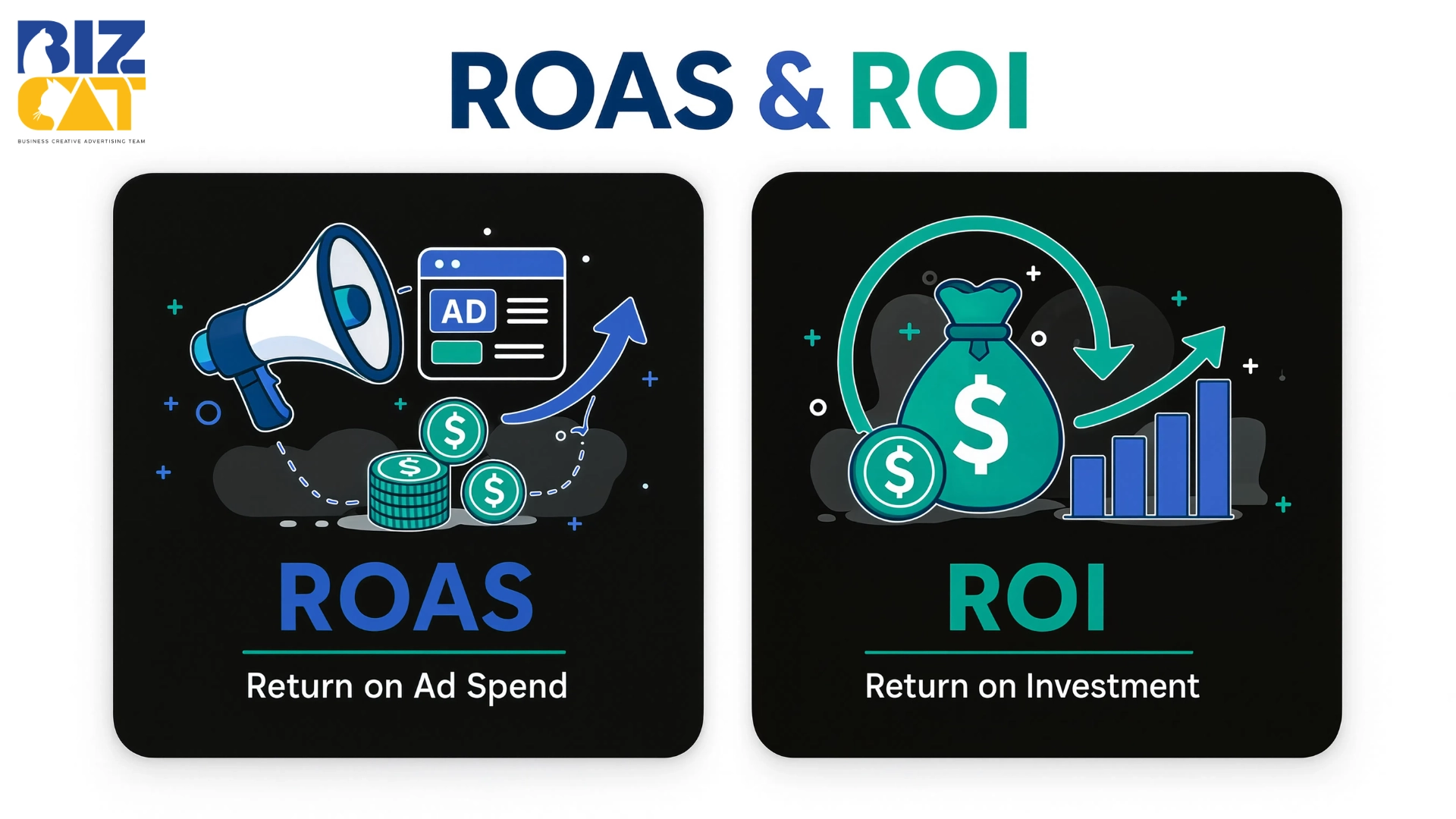
Brand transformation ROI refers to the measurable value a company gains from its brand transformation efforts compared to the investment made.
ROI can include both financial and non-financial outcomes, such as:
- Increased sales revenue
- Higher customer retention
- Improved brand awareness
- Better customer engagement
- Increased website traffic
- Enhanced market positioning
- Improved employee satisfaction
The challenge is that some branding results are immediate while others develop over time. That’s why businesses must track multiple performance indicators consistently.
How to Measure Brand Transformation ROI?
Understanding how to measure brand transformation ROI requires a combination of quantitative and qualitative analysis. Businesses should focus on both short-term and long-term metrics.
1. Track Revenue Growth
Revenue growth is one of the most direct indicators of transformation success. If your brand transformation strategy is effective, it should positively influence sales performance.
Key areas to monitor include:
- Increase in monthly revenue
- Growth in customer acquisition
- Higher average order value
- Increased repeat purchases
- Market expansion revenue
Compare revenue performance before and after the transformation to identify measurable improvements.
2. Measure Brand Awareness
One of the key goals of transformation is increasing visibility and recognition. Businesses can evaluate brand awareness through several channels.
Important metrics include:
- Website traffic growth
- Search engine visibility
- Social media reach
- Brand mentions
- Media coverage
- Direct search volume
If more people are discovering and engaging with your brand, it indicates positive transformation progress.
3. Analyze Customer Engagement
Customer engagement is a strong indicator of emotional connection and brand relevance.
Useful engagement metrics include:
- Social media interactions
- Email open rates
- Click-through rates
- Time spent on the website
- Customer feedback
- User-generated content
Improved engagement often shows that the transformed brand identity is resonating with the target audience.
4. Monitor Customer Retention Rates
A successful transformation should strengthen customer loyalty. Retaining customers is often more valuable than acquiring new ones.
Track metrics such as:
- Repeat customer percentage
- Subscription renewals
- Customer lifetime value
- Churn rate reduction
- Referral rates
Better retention indicates stronger customer trust and satisfaction.
5. Evaluate Lead Generation Performance
Transformation efforts often improve marketing efficiency and lead quality.
Businesses should monitor:
- Number of qualified leads
- Conversion rates
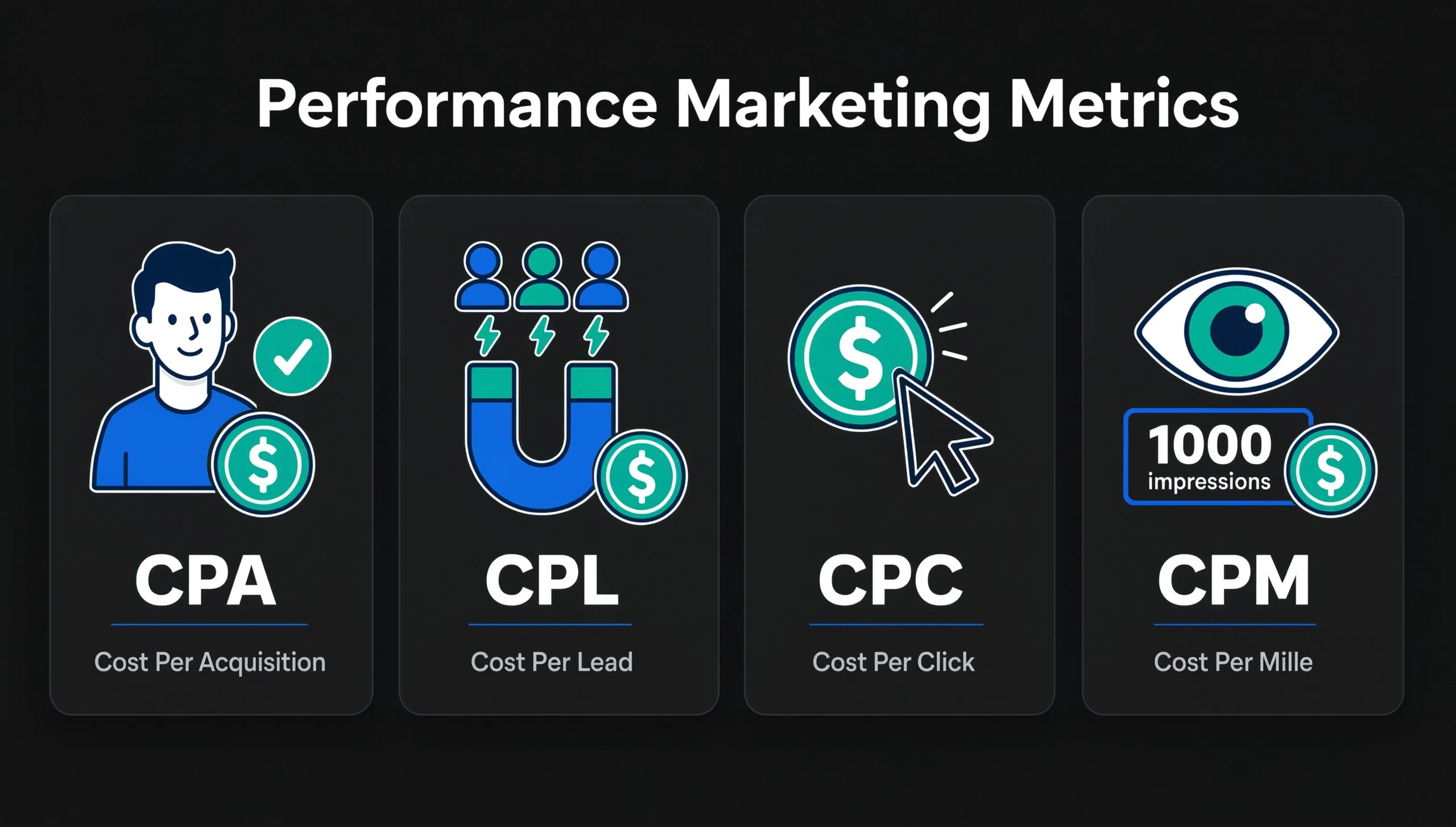
- Cost per lead
- Sales funnel performance
- Landing page engagement
Improved lead generation is a clear sign of successful positioning and messaging.
6. Conduct Brand Perception Surveys
Quantitative data alone cannot fully explain customer perception. Surveys help businesses understand how audiences feel about the transformed brand.
Questions may include:
- How trustworthy is the brand?
- How memorable is the brand?
- Would customers recommend the brand?
- Does the brand feel modern and relevant?
- How does the brand compare with competitors?
This feedback provides valuable insights into emotional brand connection.
7. Measure Employee Engagement
Brand transformation also impacts internal culture. Employees play a major role in delivering the transformed brand experience.
Key indicators include:
- Employee satisfaction
- Internal feedback
- Staff retention
- Productivity improvements
- Team alignment with the company vision
Strong internal engagement often reflects successful brand transformation implementation.
Important Brand Transformation Metrics to Track
Businesses should continuously monitor specific brand transformation metrics to evaluate overall performance.
Financial Metrics
- Revenue growth
- Profit margin
- Customer acquisition cost
- Customer lifetime value
- Return on marketing investment
Marketing Metrics
- Website traffic
- Organic search rankings
- Social engagement
- Conversion rates
- Campaign performance
Customer Metrics
- Net promoter score (NPS)
- Customer retention
- Customer satisfaction
- Brand loyalty
- Online reviews
Brand Metrics
- Brand recognition
- Share of voice
- Brand sentiment
- Audience reach
- Media mentions
Tracking these indicators helps businesses accurately measure the success of their transformations.
Challenges in Measuring Brand Transformation Success
Although measuring ROI is important, businesses often face challenges during the process.
Long-Term Impact
Some branding results take months or years to appear fully. Businesses need patience and continuous evaluation.
Multiple Influencing Factors
Sales and growth may also be influenced by market conditions, pricing strategies, or economic trends, making ROI measurement more complex.
Difficulty Measuring Emotional Connection
Brand perception and trust are difficult to quantify precisely, but they strongly influence long-term growth.
Inconsistent Data Collection
Without proper tracking systems, businesses may struggle to gather accurate data.
To overcome these challenges, companies should use a combination of analytics tools, surveys, and performance monitoring systems.
How Bizcat Helps Businesses Achieve Measurable Brand Transformation ROI?
At Bizcat, we understand that successful branding is not just about appearance; it’s about measurable business growth. As a leading brand transformation agency in Kerala, we help businesses create impactful transformation strategies that deliver real results.
Our approach focuses on:
- Strategic brand positioning
- Data-driven marketing
- Customer experience enhancement
- Digital transformation solutions
- Performance-focused branding
- Long-term growth strategies
We believe every transformation effort should generate measurable value. That’s why we continuously track performance indicators, customer engagement, and business growth metrics throughout the process.
Our team helps businesses clearly understand the ROI of brand transformation by analyzing customer behavior, market response, brand visibility, and revenue impact. We create customized transformation strategies that align with business goals while ensuring sustainable growth.
Whether you are a startup, growing enterprise, or established brand, we help you build a stronger market presence and achieve measurable transformation success.
Best Practices for Measuring Brand Transformation ROI
To accurately measure success, businesses should follow a structured approach.
Set Clear Objectives
Define specific goals before starting transformation initiatives.
Examples:
- Increase brand awareness by 30%
- Improve customer retention
- Boost website traffic
- Generate more qualified leads
Use Multiple Metrics
Do not rely on a single indicator. Combine financial, marketing, customer, and brand metrics.
Measure Before and After Performance
Establish baseline data before transformation begins.
Use Analytics Tools
Platforms like Google Analytics, CRM software, and social media insights help track performance effectively.
Review Performance Regularly
Brand transformation is an ongoing process. Regular analysis helps optimize future strategies.
Final Thoughts
Understanding the ROI of brand transformation is essential for businesses aiming to achieve sustainable growth and stronger market positioning. Transformation is not simply about visual changes; it is about creating meaningful customer experiences, improving brand perception, and driving measurable business outcomes.
Businesses that consistently measure brand transformation success can make smarter strategic decisions, improve customer relationships, and maximize long-term profitability.
By tracking the right brand transformation metrics, companies can clearly understand how to measure brand transformation ROI and identify the true value of their transformation efforts.
With the right strategy, tools, and expert guidance, businesses can successfully transform their brand and achieve a lasting competitive advantage.
FAQs
1. What metrics are used to measure branding ROI?
Common metrics include website traffic, lead generation, sales growth, customer retention, brand awareness, and social media engagement.
2. What is the ROI of brand transformation?
The ROI of brand transformation refers to the business growth, customer engagement, and revenue improvements achieved after rebranding or transforming a brand strategy.
3. How long does it take to see branding ROI?
Branding ROI often takes several months to show measurable results because brand awareness and customer trust build gradually.
4. Can small businesses measure branding ROI?
Yes. Small businesses can track branding ROI using analytics tools, customer feedback, conversion rates, and revenue growth.