

A brand’s relevance is never permanent; it’s something that must be continuously earned. As markets shift and customer expectations evolve, even the strongest brands reach a point where staying the same is no longer an option. The real challenge isn’t just deciding to change, but understanding the depth and direction that change should take.
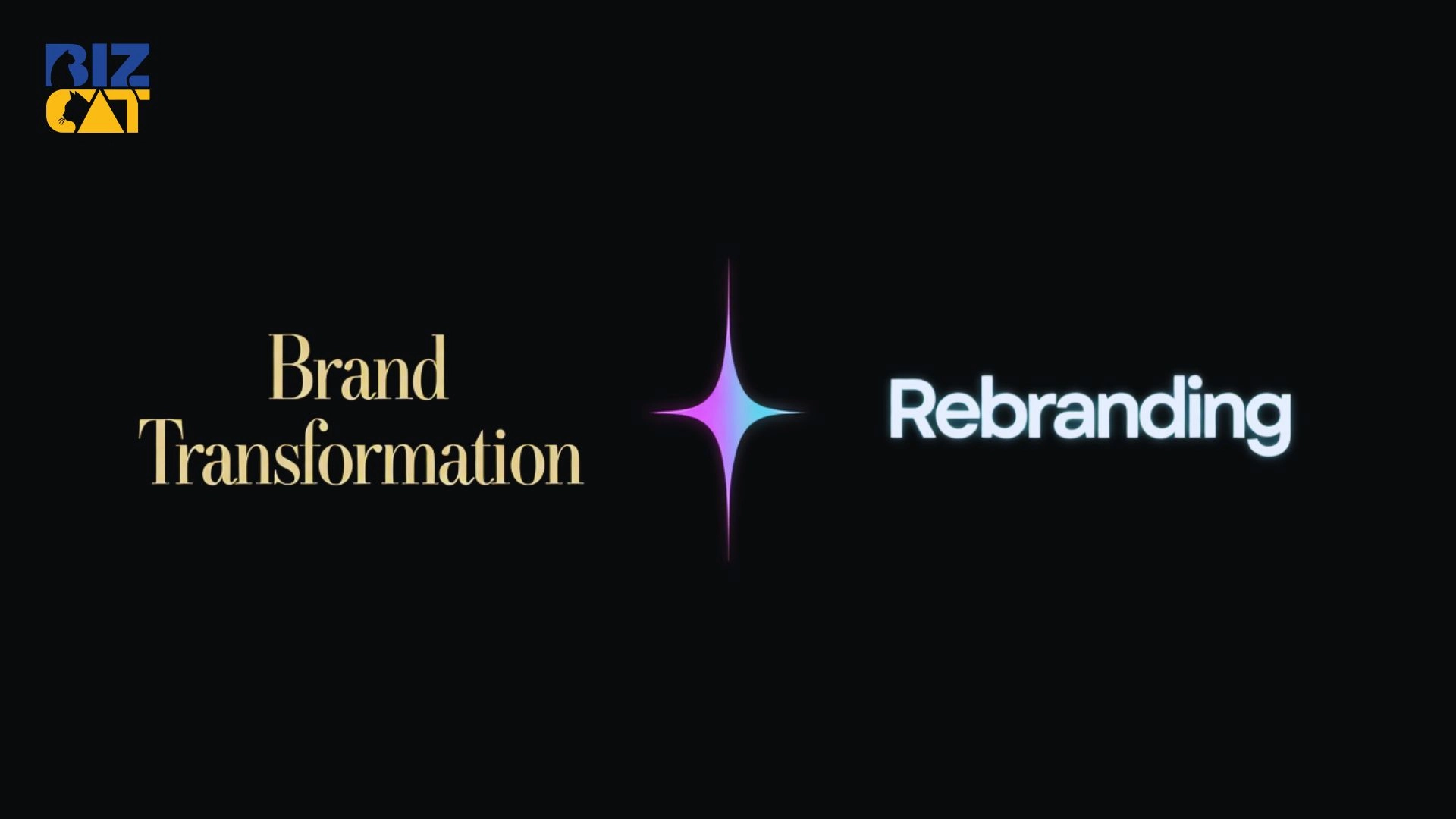
This is where the debate of Brand Transformation vs Rebranding comes in. While these two terms are often used interchangeably, they represent very different approaches, scopes, and outcomes. Understanding the difference between brand transformation and rebranding can be the key to making the right strategic move for your business.
Let’s unpack both concepts and explore how they shape modern businesses.
What is Brand Transformation?
At its core, what is brand transformation? It goes far beyond visual updates or messaging tweaks. Brand transformation is a deep, strategic shift in how a business operates, communicates, and delivers value.
It’s not just about changing how your brand looks; it’s about redefining what your brand is.
A true brand transformation strategy involves:
- Revisiting your business vision and mission
- Aligning your brand with evolving market demands
- Redefining customer experience across all touchpoints
- Restructuring internal processes and culture
- Integrating innovation and digital advancements
Brand transformation often happens when a company is undergoing significant change, such as entering new markets, adopting new technologies, or repositioning itself entirely.
Think of it as a complete evolution rather than a surface-level update.
What is Rebranding in Marketing?
Now, let’s simplify what rebranding is in marketing.
Rebranding focuses primarily on altering the external identity of a brand. This includes:
- Logo redesign
- Visual identity changes (colors, typography, packaging)
- Updated brand messaging or tone
- New tagline or positioning
Rebranding is often used when a brand feels outdated, wants to appeal to a new audience, or needs to recover from a negative perception.
Unlike transformation, rebranding doesn’t necessarily change the core business model. It’s more about perception than structure.
Brand Transformation vs Rebranding: The Core Difference
Understanding the difference between brand transformation and rebranding becomes easier when you look at their depth and intent.
Brand Transformation is internal and external.
Rebranding is mostly external.
Brand transformation reshapes the entire business, from strategy to execution. Rebranding, on the other hand, refreshes how the business is presented to the world.
To put it simply:
- Rebranding is like changing your outfit
- Brand transformation is like changing your lifestyle
Both are valuable, but they serve different purposes.
When Should a Business Choose Brand Transformation?
Not every business needs a full transformation. But when growth stalls or the market shifts drastically, transformation becomes essential.
You should consider a brand transformation strategy if:
- Your business model is outdated
- Customer expectations have evolved significantly
- You are entering a completely new market
- Your brand no longer aligns with your core values.
- Digital disruption is affecting your industry
In such cases, a simple rebranding won’t be enough. The change needs to come from within.
When is Rebranding the Right Choice?
Rebranding works best when the foundation of your business is still strong, but the way you present yourself needs improvement.
Consider rebranding if:
- Your brand looks outdated compared to competitors
- You want to attract a different audience segment
- There has been a merger or acquisition
- Your messaging no longer resonates with your audience
Here, you’re not changing the business; you’re refining how it’s perceived.
Why Do Businesses Confuse the Two?
One of the biggest reasons businesses struggle with Brand Transformation vs Rebranding is the overlap in execution.
Both may involve:
- New visuals
- Updated messaging
- Marketing campaigns
But the intent is what separates them.
Many companies make the mistake of rebranding when they actually need transformation. They change their logo, launch a new website, and expect results, only to realize that the underlying issues remain unresolved.
Without strategic depth, rebranding becomes cosmetic.
The Role of Strategy in Brand Evolution
Whether you choose transformation or rebranding, strategy is everything.
A strong brand transformation strategy is rooted in:
- Market research
- Customer insights
- Competitive analysis
- Long-term business goals
Similarly, effective rebranding requires:
- Clear positioning
- Consistent messaging
- Visual coherence
Without a strategy, both approaches risk failure.
The Impact on Customer Perception
Customers today are highly perceptive. They can sense when a change is authentic versus when it’s just a superficial update.
Brand transformation builds deeper trust because it reflects real change. Customers experience it through improved services, better communication, and enhanced value.
Rebranding, when done right, captures attention and refreshes interest, but it must align with the actual brand experience to sustain credibility.
Digital Era: Why Transformation Matters More Than Ever
In today’s digital-first environment, businesses can’t afford to stay stagnant. Consumer behavior, technology, and competition evolve rapidly.
This is why more companies are moving beyond rebranding and embracing transformation.
A modern brand transformation strategy integrates:
- Digital marketing ecosystems
- Data-driven decision-making
- Omnichannel experiences
- Personalized customer journeys
It’s about building a brand that is not just visible, but adaptable.
Bizcat: Driving Real Brand Transformation
At Bizcat, we don’t just redesign brands, we redefine them.
As the best brand transformation agency in Kerala, we believe that real growth comes from meaningful change. Our approach goes beyond aesthetics, focusing on building brands that are future-ready, resilient, and impactful.
We work closely with businesses to understand their core challenges and opportunities. Our team crafts tailored brand transformation strategies that align business goals with market demands.
What sets us apart is our ability to blend creativity with strategy. We don’t believe in one-size-fits-all solutions. Whether a business needs a complete transformation or a focused rebranding, we ensure every step is driven by purpose.
Our expertise includes:
- Strategic brand consulting
- Digital transformation integration
- Performance-driven marketing solutions
- Consistent brand storytelling
At Bizcat, we see brands as evolving ecosystems. And we help them grow, not just visually, but fundamentally.
Choosing the Right Path for Your Brand
The decision between Brand Transformation vs Rebranding ultimately depends on your business goals.
Ask yourself:
- Do we need a complete shift or just a refresh?
- Are our challenges internal, external, or both?
- What does our audience expect from us today?
If your brand’s foundation is strong but needs a new look, rebranding may be enough. But if your business needs to adapt to a new reality, transformation is the way forward.
Final Thoughts
Understanding the difference between brand transformation and rebranding is crucial for any business aiming to grow in a competitive market.
Rebranding helps you stay relevant.
Brand transformation helps you stay ahead.
Both have their place, but choosing the right one can define your brand’s future.
If you’re unsure where your brand stands, it might be time to take a closer look, not just at how your brand appears, but at what it truly represents.
Because in today’s world, success doesn’t come from looking different, it comes from being different.
FAQs
1. What’s the difference between branding and rebranding?
Branding is the process of creating your business identity, how your brand looks, feels, and communicates with your audience. Rebranding is updating or changing that identity to better reflect new goals, values, or market positioning
2. Is changing a logo considered rebranding?
Not always. Changing a logo can be part of rebranding, but by itself, it’s usually just a brand refresh. Rebranding means a deeper change, like updating your brand values, messaging, positioning, and overall identity. If the logo change comes with those bigger shifts, then it’s true rebranding. Otherwise, it’s just a visual update.
3. When should a business choose brand transformation?
A business should consider brand transformation when its current identity no longer aligns with its vision, values, or market direction.
4. How do I know if my brand needs transformation or rebranding?
If your business goals, values, or audience have significantly changed, you may need a transformation. If only your look or messaging feels outdated, rebranding is enough.